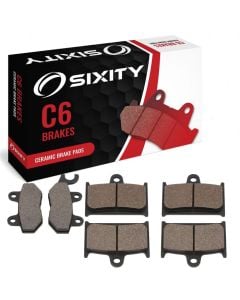
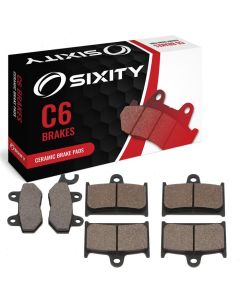
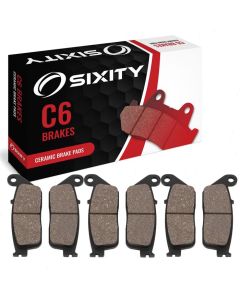
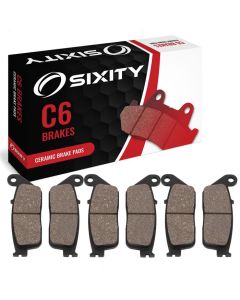
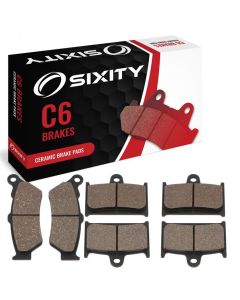
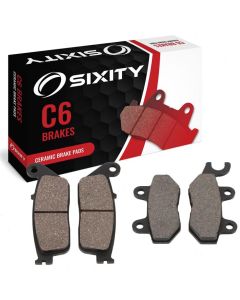
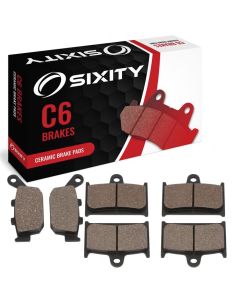
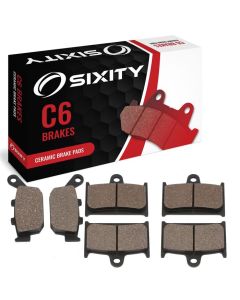
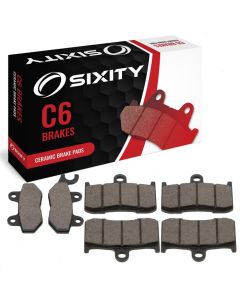
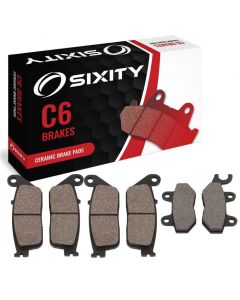
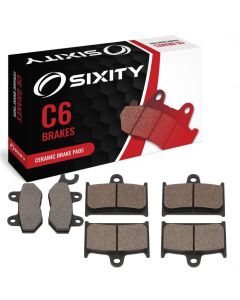
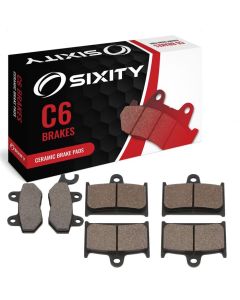
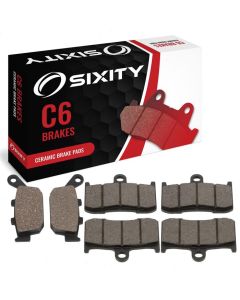
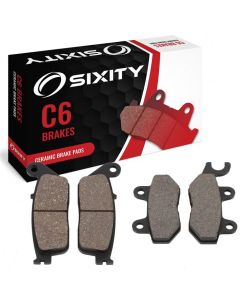
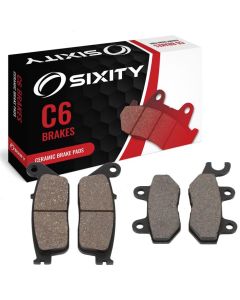
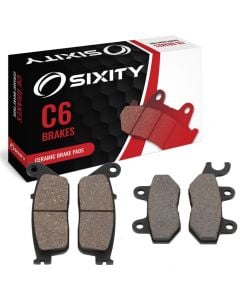
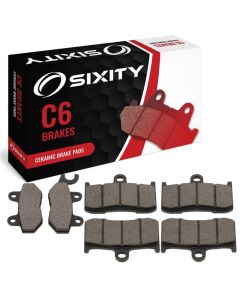
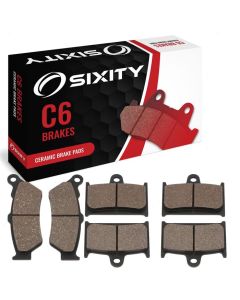
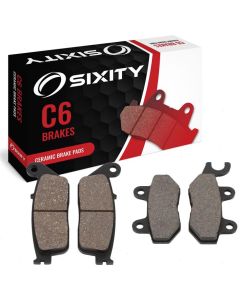
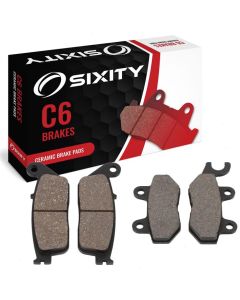
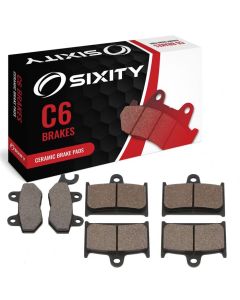
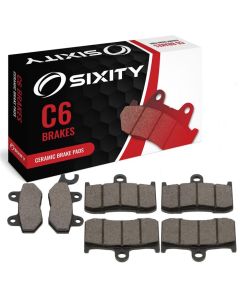
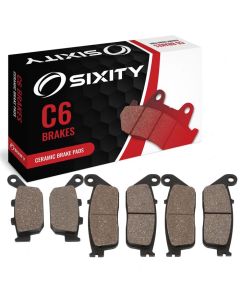
Why Riders Choose Sixity Over OEM Triumph Motorcycle Parts
Sixity sells OEM-quality, aftermarket parts. You receive all the benefits of parts manufactured to meet the same standards and metrics as OEM parts, but without the brand-name price. That commitment to affordability and quality keeps Triumph owners and other powersports enthusiasts coming back.
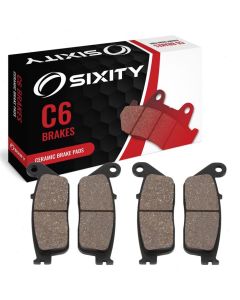
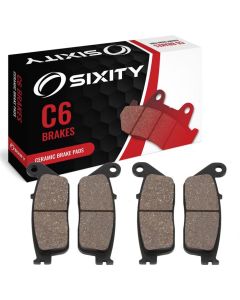
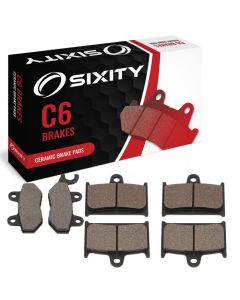
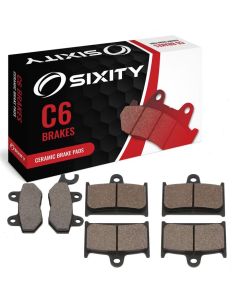
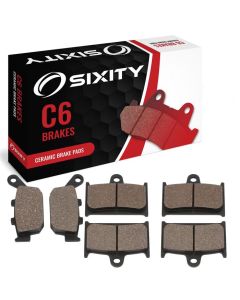
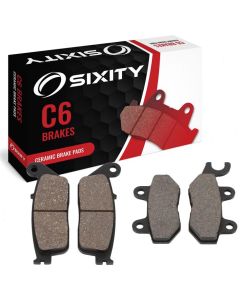
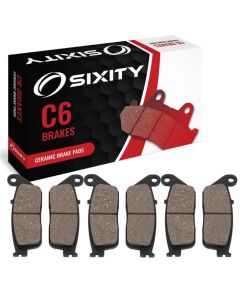
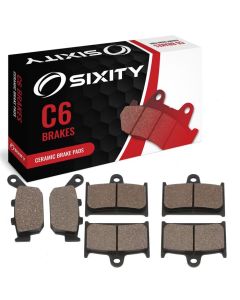
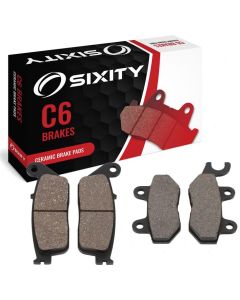
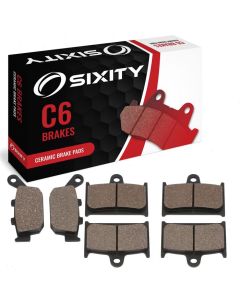
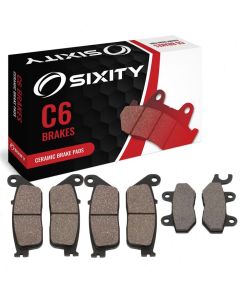
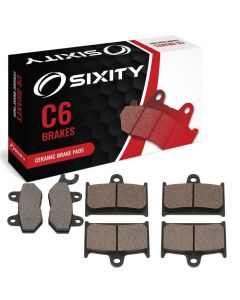
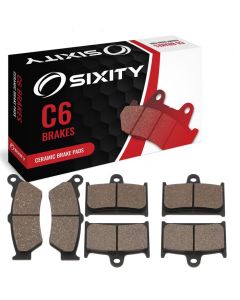
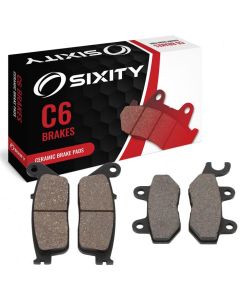
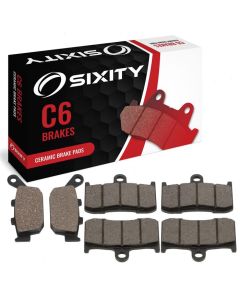
With Sixity, you get a choice. If you’re a casual rider who likes a slow morning ride around town, organic Triumph brake pads provide a quiet and consistent performance. That said, if you appreciate longer road trips with varying speeds and road conditions, ceramic Triumph brakes might be a better fit. Sintered pads with their alloy construction are best for high-performance, high-demand riding.
Sixity is all about providing options and limiting cost. Browse all Triumph pads above.
A Warranty You Can Count On
All Sixity-branded products come with a one-year warranty. You can learn more about the warranty and its coverage by reviewing Sixity’s warranty information page.
US-Based Support, Ready When You Need It
Sixity’s US-based customer support team is here to answer all of your product- and order-related questions. Contact us Monday to Friday, 8 am to 8 pm ET.
FAQs
How do I know which brake pad material is right for my Triumph?
The right material for your Triumph brake pads depends largely on your riding style, budget, and model. You can find the Triumph brakes guaranteed to fit your bike by using the vehicle selector tool above. Regarding riding style, sintered pads are metallic and best for aggressive street, track, or adventure riding. Ceramic is best for high-end sport or premium street touring. Organic is the most affordable option and best for casual cruising or light commuting.
Will aftermarket brake pads affect my Triumph’s warranty?
It’s a common misconception that fitting your bike with anything other than OEM Triumph motorcycle parts will void the bike’s warranty. Consumer protection laws, such as the Magnuson-Moss Warranty Act, prohibit companies from forcing consumers to use their branded parts or dealerships for routine maintenance to keep warranties. However, parts must be installed correctly and belong to your specific bike. The law doesn’t cover modifications or improper installations.
How do I know when my Triumph’s brake pads need replacing?
You can tell when your brake pads need replacing by measuring the pad material, checking brake fluid levels, or paying attention to other warning signs. Most Triumph manuals state that pads should be replaced when there is less than 1.5mm (0.06 inches) of friction material remaining. When the pads wear down, you’ll also notice the brake fluid level dropping because the caliper pistons stay extended further out, drawing more fluid from your handlebars or rear reservoir. Beyond these visual cues, you may notice sponginess in your Triumph brake lever, meaning it loses its initial bite, or you may hear scraping or grinding noises.